
Chapter 7 Bankruptcy In Wisconsin: Filing Requirements Explained
Chapter 7 Bankruptcy In Wisconsin: Filing Requirements Explained

Filing for bankruptcy is not a decision most people make lightly. It often comes after months or even years of financial pressure, rising balances, and limited options.
For those considering Chapter 7 bankruptcy in Wisconsin, understanding the requirements and process is an important first step.
Knowing what to expect can help you determine whether this path makes sense for your situation.
What Is Chapter 7 Bankruptcy?
Chapter 7 bankruptcy is a legal process that allows individuals to eliminate certain types of unsecured debt.
This typically includes:
- Credit card debt
- Medical bills
- Personal loans
The goal is to provide a fresh start by discharging qualifying debts, although not all debts are eligible.
Who Qualifies for Chapter 7 Bankruptcy in Wisconsin?
Eligibility for Chapter 7 is primarily determined through a means test.
This test evaluates:
- Your income
- Your household size
- Your ability to repay debt
If your income falls below a certain threshold or you cannot reasonably repay your debts, you may qualify.
The Filing Process
Filing bankruptcy in Wisconsin involves several steps:
- Credit Counseling
Before filing, you must complete an approved credit counseling course. - Petition Filing
Your attorney files a petition with the bankruptcy court, outlining your financial situation. - Automatic Stay
Once filed, an automatic stay goes into effect, temporarily stopping most collection efforts. - Trustee Review
A trustee reviews your case and may liquidate non-exempt assets if applicable. - Discharge of Debt
If approved, qualifying debts are discharged, meaning you are no longer legally required to pay them.
What Happens to Your Assets?
One of the most common concerns is whether you will lose your property.
Wisconsin law provides certain exemptions that protect:
- Primary residence (within limits)
- Vehicles
- Personal belongings
Not all assets are at risk, and many individuals are able to retain essential property.
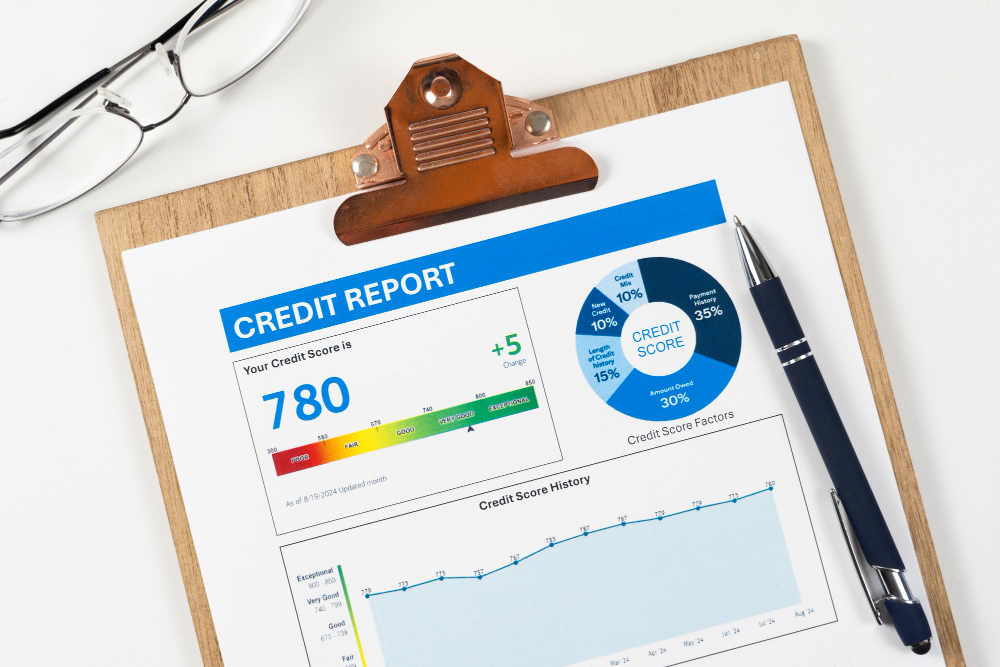
How Chapter 7 Affects Your Credit
Chapter 7 bankruptcy has a significant impact on your credit.
It can:
- Remain on your credit report for several years
- Lower your credit score initially
- Affect your ability to obtain new credit
Over time, however, many individuals are able to rebuild their credit with consistent financial habits.
Alternatives to Consider Before Filing
Before moving forward, it is worth evaluating alternatives such as:
- Debt consolidation
- Structured repayment programs
- Court-supervised debt relief options
These approaches may allow you to resolve debt without the long-term impact of bankruptcy.
Conclusion: Understanding Your Options Before Filing
Chapter 7 bankruptcy in Wisconsin can provide meaningful relief, but it is not the only option.
Before filing, it is important to fully understand the requirements, the process, and the long-term implications.
If you are considering filing bankruptcy in Wisconsin, speaking with experienced Chapter 7 bankruptcy lawyers can help you determine whether this path is right for you or if another solution may better support your financial future..
Latest Blog Articles
- Tuesday, September 15, 2026

- Thursday, September 10, 2026

- Saturday, September 5, 2026

- Thursday, May 21, 2026

- Thursday, May 21, 2026

Ready to Transform Your Financial Future? Start Your Journey to A Debt-Free Life Today!
If you're a Wisconsin resident or business owner, we can provide you with a clear path forward. Take the first step toward a debt-free future by scheduling your consultation today.
Get a Free Consultation!
No office visit is required, and there's no pressure or obligation to move forward!

414-763-3200