Is Debt Consolidation A Good Idea?
Is Debt Consolidation A Good Idea?
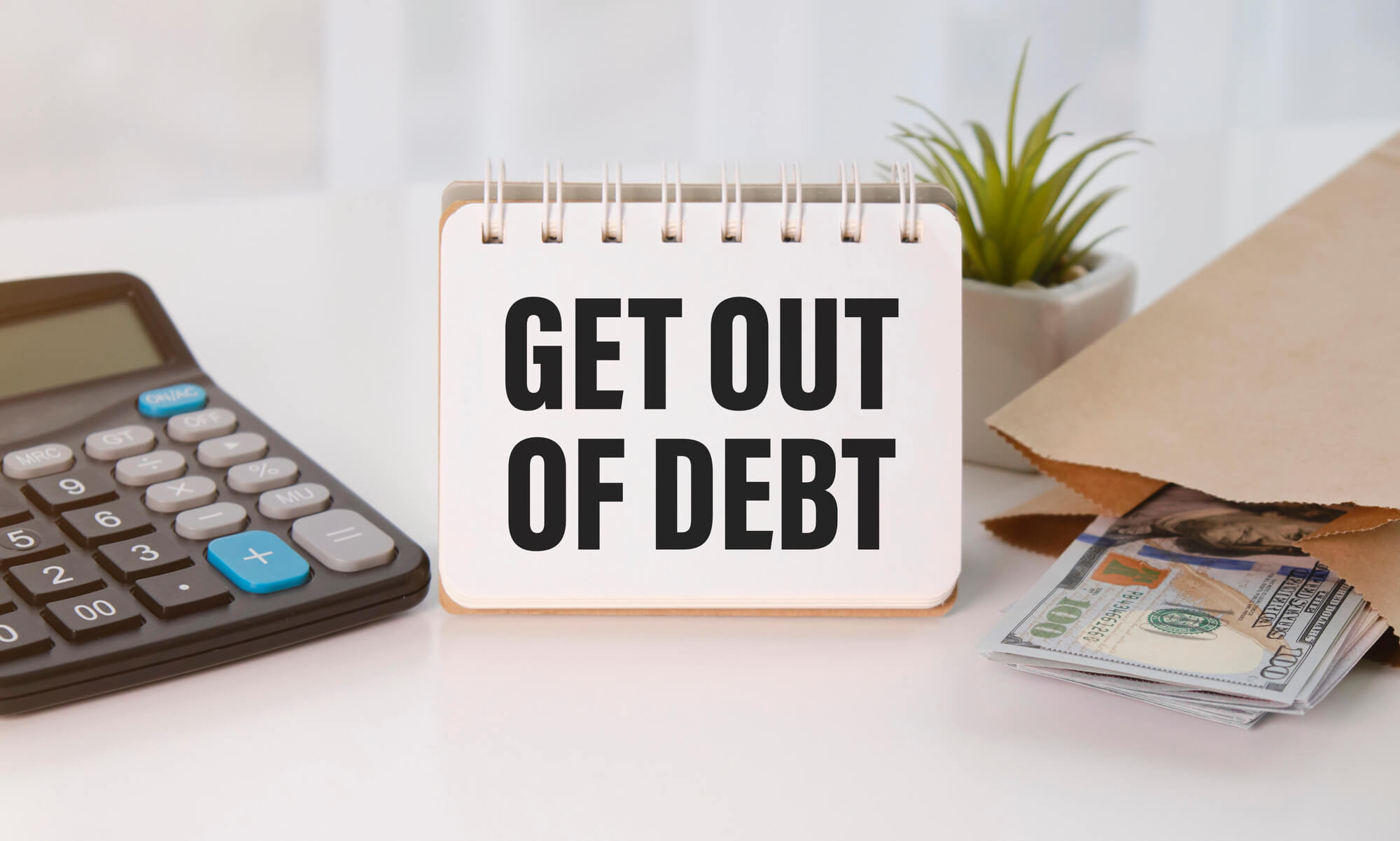
Debt has a way of making people feel stuck. Not just financially, but mentally. You know something needs to change, but the options in front of you seem either too risky, too complicated, or too good to be true. If you've started looking into your options, chances are you've come across debt consolidation and are wondering whether it's worth pursuing. So, is debt consolidation a good idea?
It’s a fair question, and we hear it often from Wisconsin residents who feel frustrated by interest charges that never seem to shrink their balances. The reality is that deciding if debt consolidation makes sense involves more than just looking at how much you owe. It also depends on the type of debt you have, your credit profile, and your income.
In Wisconsin, there are also state-specific options available that many people in other parts of the country do not have, which can make a meaningful difference in your decision.
At The Fields Group, we've worked with over 15,000 clients across the state. What we can tell you is that understanding your options clearly is the best place to start.
Is Debt Consolidation a Good Idea for Your Situation?
Before going any further, it's worth understanding what debt consolidation means. At its core, debt consolidation means combining multiple debts into one payment. The goal is to simplify what you owe and, ideally, reduce the interest you're paying. Many people assume this always means taking out a new loan, but in Wisconsin, debt consolidation can also happen through a court-supervised repayment plan that does not require new borrowing.
That's the standard version. Wisconsin residents have access to something most of the country doesn't: a state-specific consolidation process called WI Chapter 128. Chapter 128 is a Wisconsin law that allows eligible residents to combine certain debts into a single payment plan with no interest.
The plan is managed through the court system and does not require bankruptcy, giving people a structured way to repay what they owe. It's one of the most practical and underused debt relief tools in the state.
How Traditional Debt Consolidation Works
Some picture a debt consolidation loan when they hear the term. With this option, you take out a single larger loan to pay off your existing debts. Then you make a single monthly payment on the new loan, which can mean a lower interest rate and a clearer timeline for becoming debt-free.
A balance transfer credit card works similarly. You transfer high-interest credit card balances to a new card with a promotional 0% APR period, typically lasting 12 to 21 months. If you can pay off the transferred balance before the promotional period ends, you avoid a significant amount of interest.
Both options sound clean in theory. In practice, they come with conditions:
- You generally need good credit: Qualifying for a low-rate personal loan or a balance transfer card with a meaningful limit requires a credit score that many people struggling with debt don't have.
- Fees matter: Personal loans often carry origination fees. Balance transfer cards typically charge 3% to 5% of the transferred amount. These costs reduce the savings you thought you were getting.
- New credit lines can backfire: Paying off credit cards through a consolidation loan frees up those card limits. Without a serious change in spending habits, some people find themselves deeper in debt within a year.
Traditional consolidation works well when the math is in your favor, and the discipline is there to back it up. When either of those is missing, the decision becomes more complicated.
The Problem With "Debt Settlement" Companies Calling Themselves Consolidators
A number of large national companies, including names you've likely seen advertised heavily, market themselves as debt consolidation companies. In practice, what they offer is debt settlement.
Debt settlement means negotiating with creditors to accept less than you owe. Companies like Freedom Debt Relief, National Debt Relief, and Beyond Finance operate on this model. The pitch is appealing: settle your debt for a fraction of what you owe.
To get a creditor to agree to a settlement, you typically have to stop paying your accounts and become seriously delinquent. That's the strategy, and the consequences follow quickly:
- Your credit score drops significantly as accounts go delinquent
- Creditors file lawsuits to recover the full balance
- Once a lawsuit is filed, there's little incentive for the creditor to settle, since a court judgment gives them access to your wages and bank accounts through garnishment and levy
- These companies charge fees of approximately 25% of your total enrolled debt, which substantially reduces any savings from the settlement itself
- Because they are not law firms and are not based in Wisconsin, they cannot represent you in court if a lawsuit is filed
At that point, you're often calling a local attorney out of pocket to handle the litigation. You've damaged your credit, faced legal action, and paid fees, and the total cost of the experience often exceeds what you would have paid just to manage the debt another way. It ends up functioning like a partial bankruptcy, with many of the downsides and fewer of the protections.
We're not saying settlements are never appropriate. In certain situations, they make sense. The point is that when a company frames settlement as consolidation, it obscures what you're really signing up for.
When Debt Consolidation Is a Good Idea
Setting aside the terminology issues, there are scenarios where consolidating debt is a smart move. Here's when the math and the circumstances tend to align:
- You have good credit: If your credit score is strong enough to qualify for a personal loan or balance transfer card at a significantly lower rate than your current debts, consolidation can produce savings over time.
- Your income is stable: Consolidation creates a fixed repayment obligation. If your income is steady and predictable, you can commit to a payment plan with confidence.
- Your debt is manageable in size: Consolidation works best when the amount is meaningful enough to justify the process, but not so large that even reduced payments are unaffordable.
- You want a single payment: Consolidation simplifies the process significantly for people who are organized but overwhelmed by the logistics of multiple accounts and due dates.
- You're committed to not adding new debt. Consolidating is a reset, not a solution in itself. People who use it successfully have usually decided to change how they manage credit going forward.
When It Might Not Be the Right Move
Debt consolidation is not a one-size-fits-all solution. In some situations, it can create more stress instead of relief.
- If your credit score is low, you may not qualify for favorable loan terms. A consolidation loan with an interest rate close to or higher than what you are already paying defeats the purpose and may cost you more over time.
- If you are already dealing with lawsuits or wage garnishment, the issue often requires legal action rather than a new loan. A consolidation loan will not stop a garnishment once a creditor has a court judgment.
- Consolidation may also fall short if your overall debt is simply too high for your income. Even a reduced monthly payment may not fit your budget; the core problem remains.
- On the other hand, if your debt is relatively small and you can pay it off within a year through focused budgeting, formal consolidation may not be necessary. In that case, the added fees and process might outweigh the benefits.
What Wisconsin Law Makes Possible
This is where the conversation shifts for Wisconsin residents, and it's worth spending time here because it significantly changes the calculation.
Wisconsin's Chapter 128 statute gives eligible residents access to a court-administered debt-repayment plan that most Americans don't have. Under Chapter 128, qualifying debts can be rolled into an interest-free payment plan of up to 36 months.
There's no credit check required to access it, and interest stops accruing on enrolled debts. The plan is structured through the court, which means creditors are legally required to work within it.
Filing under Chapter 128 can stop wage garnishment and bank levies. Creditors cannot continue collection actions once a plan is in place. Unlike bankruptcy, Chapter 128 does not carry the same long-term credit consequences.
The people who benefit most from this option are Wisconsin residents who:
- Have debt they can realistically repay over 36 months, but need the interest to stop growing
- Facing or at risk of wage garnishment or bank levy
- Want to avoid the credit damage associated with settlement or bankruptcy
- Don't qualify for a traditional consolidation loan due to credit score or income constraints
- Want legal protection without going through the full bankruptcy process
Because this option runs through Wisconsin courts and requires state-specific legal knowledge, it's something the big national companies simply cannot offer. As a Wisconsin-based law firm, handling Chapter 128 plans is a core part of our practice.
How Debt Consolidation Affects Your Credit
One of the most common concerns people bring to us is the impact on their credit score. Here's a look at how different approaches typically play out.
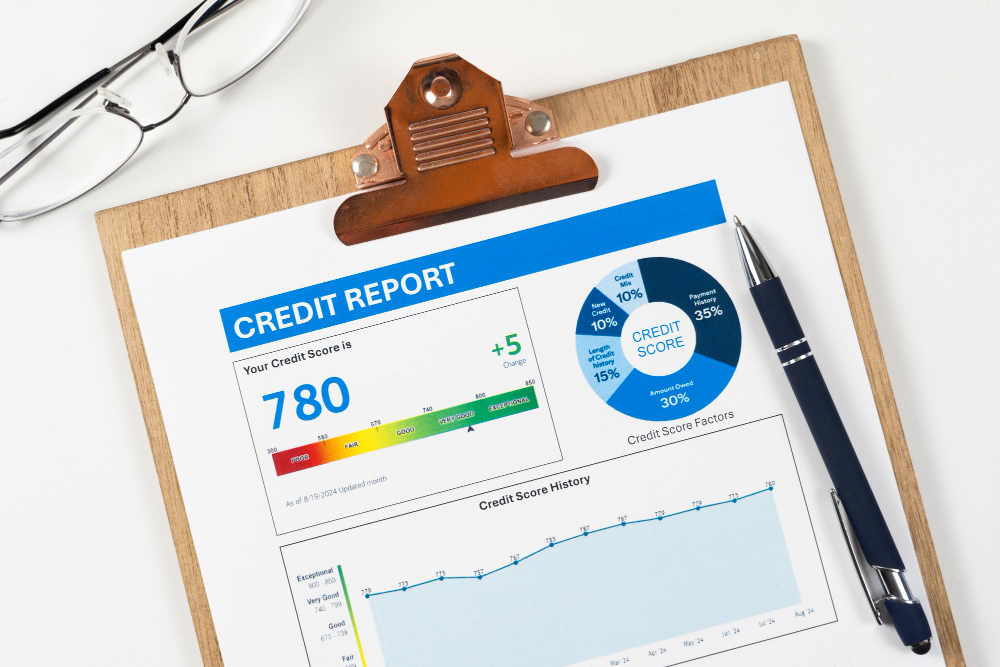
- Traditional consolidation loans: Applying for a personal loan triggers a hard credit inquiry, which causes a small, temporary dip in your score. Opening the new account can slightly reduce your average account age. On the positive side, paying off credit card balances reduces your credit utilization rate, which often improves your score meaningfully.
- Balance transfer cards: Similar short-term impact from the hard inquiry. If the transfer significantly lowers your utilization on existing cards, your score may improve over time.
- Debt settlement: This is where the credit damage tends to be serious and long-lasting. Going delinquent on accounts to trigger settlements causes substantial score drops. Lawsuits, judgments, and accounts marked as settled for less than the full balance all remain on your credit report for years.
- Chapter 128: Because you're repaying your debt in full (just without interest), the credit impact is considerably less severe than settlement. Depending on the creditor, some accounts may remain open during repayment, while others may choose to close the account. Consistent payments made through the plan can also help support a more positive payment history over time.
- Bankruptcy: A Chapter 7 or Chapter 13 filing stays on your credit report for seven to ten years and causes an immediate significant drop in your score.
The long-term credit impact of your decision matters more than people sometimes realize. If debt settlement or bankruptcy causes a major drop in your credit score, it can affect you long after the process is over.
A lower score often means higher interest rates on future loans, including car loans, mortgages, or other financing. Over time, the extra interest you pay could end up costing more than the amount you originally saved through settling the debt.
Questions Worth Asking Before You Decide
If you're in the process of sorting through your options, these are practical questions to work through before committing to any approach:
- What is the total interest rate you're currently paying across all of your debts?
- Do you qualify for a personal loan or balance transfer card at a lower rate?
- Are any of your creditors currently threatening legal action, or has a lawsuit already been filed?
- Are you already experiencing wage garnishment or bank levy?
- Can you realistically afford a fixed monthly payment over 36 months?
- Are you a Wisconsin resident with access to options not available nationally?
A plan that works well for someone with a 720 credit score and $15,000 in credit card debt looks very different from what makes sense for someone with a 580 score facing a pending lawsuit and a garnished paycheck. Getting the right answer starts with an honest look at where you actually are.
Let's Find the Right Path Out of Debt for You
The question of whether debt consolidation is a good idea doesn't have a single answer. It has the right answer for your situation, and finding it means understanding your options.
The options are broader than most people realize for Wisconsin residents. Chapter 128 (the state’s special debt consolidation program) lets people set up repayment plans without paying interest. It also grants legal protections that large national companies cannot offer, giving borrowers more security and peace of mind.
When debt has reached the point where even structured repayment isn't enough, bankruptcy may be the most practical path forward. At The Fields Group, we work with both consumer and business debt, including debt consolidation. Our focus is on Wisconsin debt consolidation through court-supervised repayment plans, not on making new consolidation loans. This lets us look at your full situation and recommend the best approach without pushing you toward a specific option.
To get a clear picture of where you stand and what your options look like, we offer free consultations with no obligation to move forward. Contact us today and begin the first step toward getting your finances back on track.
Latest Blog Articles
- Tuesday, September 15, 2026

- Thursday, September 10, 2026

- Saturday, September 5, 2026

- Thursday, May 21, 2026

- Thursday, May 21, 2026

Ready to Transform Your Financial Future? Start Your Journey to A Debt-Free Life Today!
If you're a Wisconsin resident or business owner, we can provide you with a clear path forward. Take the first step toward a debt-free future by scheduling your consultation today.
Get a Free Consultation!
No office visit is required, and there's no pressure or obligation to move forward!

414-763-3200