How Does Debt Consolidation Work?
How Does Debt Consolidation Work?
Nobody plans to end up overwhelmed by debt. Life changes, and sometimes your bills change along with it. A debt that felt manageable six months ago can suddenly feel overwhelming after an unexpected expense, a job change, or a period where interest kept adding up. These shifts can make it harder to keep up with your payments and plan for the future.
If you've been looking into ways to get back on top of things, debt consolidation has probably come up. Knowing how debt consolidation works is the first step toward making a smart decision about your finances.
How Does Debt Consolidation Work at Its Core?
The concept is simpler than it sounds. You combine multiple debts into one. One payment, one structured repayment plan, one repayment timeline. The idea is to make your debt easier to manage and, ideally, cheaper to pay off over time.
Many people assume debt consolidation always means taking out a personal loan. In Wisconsin, though, debt can also be consolidated through a court-supervised repayment plan that does not require borrowing new money. Instead of replacing your debts with a new loan, the process combines what you already owe into one structured monthly payment.
Here's a simple way to picture it. Say you have three credit cards with a total balance of $15,000. One charges 22%, another 19%, and the third 25%. You're paying hundreds of dollars a month just in interest, and your balances barely move. If that debt is placed into a structured repayment plan where interest is stopped, the picture changes significantly. You gain one affordable payment and a clear end date, which makes it much easier to make real progress.
Wisconsin adds something to this picture that most people outside the state don't know about. Chapter 128 is a state-specific statute that allows residents to repay debts through a court-supervised plan, with interest frozen and creditors legally required to stop collection activity, garnishments, and lawsuits. It's a powerful option we use regularly here at The Fields Group.
What Happens to Your Debt When You Consolidate?
Your debt doesn’t go away when you consolidate. Instead, it is reorganized into a new structure. The original balances are paid off, usually by the court-supervised consolidation process itself. After that, you have just one monthly payment to manage, which can make repayment simpler and easier to track.
What changes is the structure. Instead of variable interest rates that can climb, you usually get a fixed rate. Instead of multiple minimum payments pulling from your budget in different directions, there's one predictable number. And instead of a vague, open-ended timeline for paying everything off, you have a defined repayment period.
This structure is one of the most underrated benefits of consolidation. People underestimate how much mental energy it takes to manage multiple debts. Knowing exactly what you owe, to whom, and when it ends brings a kind of financial steadiness that's hard to put a price on.
At The Fields Group, we work with Wisconsin residents to create 0% interest repayment plans with no credit check required. The way we do this is different from what a traditional lender offers, and it's different from what national debt settlement companies offer, too. Wisconsin law gives us tools that simply don't exist at the national level.
How Does Debt Consolidation Compare to Other Options?
Not all consolidation paths lead to the same place. The method you choose affects everything from your monthly payment to how long it takes to become debt-free. Here's a closer look at what each option actually involves.
- Traditional Debt Consolidation Loans
A personal loan from a bank or credit union is the option most people picture when consolidation comes up. The lender issues a lump sum, you use it to pay off your existing balances, and you repay the loan over a fixed term at a fixed rate. Loan amounts commonly range from $1,000 to $50,000. Most are unsecured, meaning no collateral is required.
You get one payment, one rate, and a defined end date. The reality is that the rate you qualify for depends heavily on your credit score and income. If your score has taken hits from late payments or high utilization, the rate you're offered might not be meaningfully lower than what you're already paying. In that case, the math doesn't work as well as the concept suggests.
- Balance Transfer Credit Cards
Some credit card issuers offer introductory 0% APR periods when you transfer existing balances to a new card. These promotional windows typically run anywhere from 12 to 21 months. If you can pay off the balance within that window, you can avoid interest entirely.
The complications are worth understanding before going this route. Most cards charge a balance transfer fee of 3% to 5% of the amount transferred. You'll also need good to excellent credit to qualify for the best offers. Once the promotional period ends, the interest rate resets, often jumping into double digits.
This option works well for people with strong credit who have a realistic plan to pay down the balance within the promotional window.
- Home Equity Loans and HELOCs
Homeowners who have built up equity in their property have access to a different set of borrowing options. A home equity loan provides a lump sum at a fixed rate, secured against your home. A home equity line of credit (HELOC) works more like a credit card, giving you access to a revolving line up to a set limit.
While these options may offer lower interest rates than credit cards or other unsecured debt, they also come with significant risk. By using your home as collateral, you are converting unsecured debt into secured debt. If you fall behind on payments, you could put your home at risk and potentially face foreclosure..
- Wisconsin Chapter 128
Chapter 128 sits in its own category. It's a Wisconsin-specific statute, unavailable anywhere else in the country. It works differently from every option listed above.
Once a Chapter 128 plan is filed, creditors are legally required to stop all collection activity. Garnishments stop, lawsuits stop, and interest stops accruing. You make a single, affordable monthly payment through the court. Your debts are resolved within a set repayment period, typically three years or less.
There's no credit check required to qualify, and the process doesn't carry the same long-term credit damage as bankruptcy. It does require working with a Wisconsin-based law firm that understands the statute and knows how to use it correctly. This is the type of debt consolidation The Fields Group provides, not a traditional loan product from a bank or credit union. The filing fee to get started is as low as $79, making it accessible to people who might otherwise feel priced out of legal help.
The Problem with Big-Box Debt Settlement Companies
Some people come to us after a bad experience with a national debt settlement company. Here's what actually happens with most debt settlement programs:
- You stop paying your creditors: To qualify for a debt settlement, you usually have to fall far behind on your payments. This is intentional, and not accidental. Creditors are more willing to negotiate when they believe there’s a real chance they won’t receive full payment otherwise.
- Your credit takes a serious hit: Months of missed payments do damage to your credit score. This is the kind of damage that follows you for years.
- Lawsuits become a real risk: Once your accounts are delinquent, creditors can and do sue. National settlement companies are not law firms. They cannot represent you in court. Some will tell you they offer "support" if a lawsuit happens. However, what that usually means is they'll give you information and suggest you hire an attorney.
- The fees add up: Most of these companies charge around 25% of the total enrolled debt. So if you owe $40,000, expect to pay $10,000 in fees on top of whatever settlement you reach.
- Settlements aren't guaranteed: The promise of settling for 50 cents on the dollar sounds great. In practice, outcomes vary widely. When you add in fees, credit damage from missed payments, possible legal costs, and higher interest rates on future loans, the savings start to shrink. What first sounded like a great deal can turn out to be much less beneficial than the sales pitch made it seem.
Debt settlement (as sold by national companies) often creates as many problems as it solves. It's not consolidation in any meaningful sense of the word.
Does Debt Consolidation Hurt Your Credit Score?
In the short term, it can cause a small drop. However, the overall effect is more complicated, and long-term benefits often outweigh the initial impact.
When you apply for a consolidation loan or any new credit product, the lender does a hard inquiry on your credit report. This typically temporarily drops your score by a few points. Opening a new account also lowers the average age of your credit history, which can have a small impact.
That said, Wisconsin Chapter 128 works differently. Because it does not involve applying for a new loan, it does not trigger a hard inquiry or open a new credit account in the usual way.
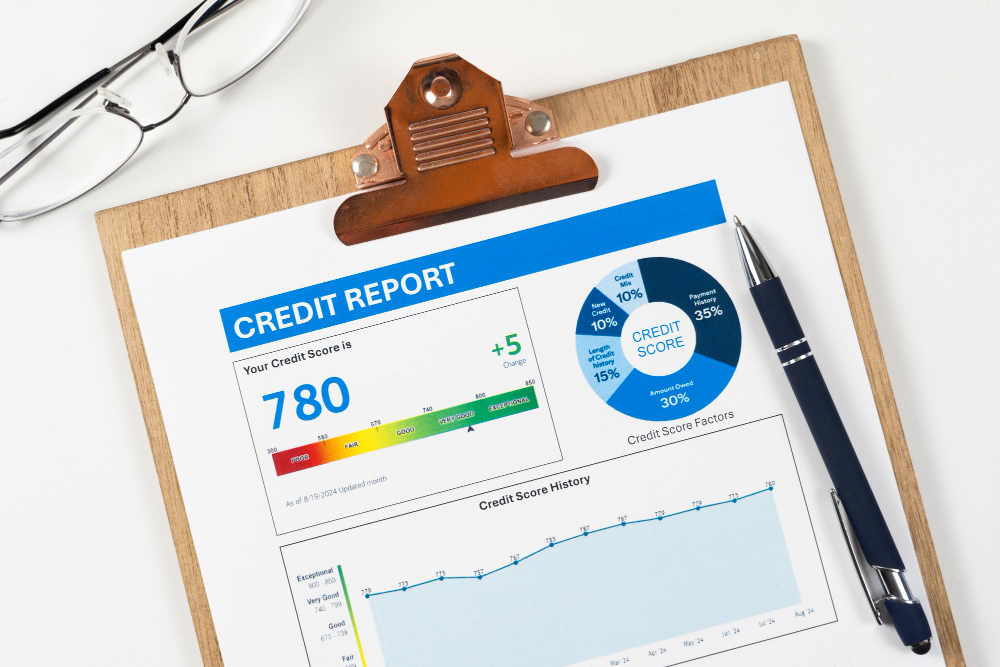
Over time, though, consistent on-time payments work in your favor. Your credit utilization (how much of your available credit you're using) goes down as balances are paid off. Fewer missed payments means fewer negative marks. Most people who stick with a consolidation plan see their credit score improve over the repayment period.
The comparison here matters. A traditional consolidation plan has a temporary, manageable effect on your credit. A debt settlement program (or a bankruptcy) carries significantly longer-lasting consequences. Chapter 7 bankruptcy stays on your credit report for 10 years. Debt settlement can linger for seven years and includes all those delinquency marks along the way.
Wisconsin's Chapter 128 option keeps clients out of bankruptcy and away from the worst credit damage. It's one reason we push for this path whenever it fits a client's situation.
Who Is Debt Consolidation Actually a Good Fit For?
Not everyone needs the same solution. Consolidation makes the most sense in certain situations, and it's worth being honest about that.
It tends to work well when:
- You have multiple high-interest debts and can qualify for a lower rate through a new loan or legal repayment plan
- Your debt load is manageable enough that a structured repayment plan can realistically pay it off within a few years
- You want one predictable payment and a defined end date
- You're current or only slightly behind, and you want to get ahead of the problem before it gets worse
It's less straightforward when your credit score makes it hard to qualify for favorable loan terms, or when the debt load is significant enough that a traditional loan won't stretch far enough to cover everything. In those cases, a Wisconsin-specific option like Chapter 128 may be a better path, or a combination approach may make sense.
What About Business Debt Consolidation?
Most discussions about debt consolidation focus on individual consumers, but businesses face the same challenges. They often have multiple vendor accounts, high-interest loans, unpaid taxes, and payroll obligations to manage. The pressure can be intense, and in many cases, the business’s survival depends on finding the right solution.
Business debt consolidation works much like personal debt consolidation. The idea is to combine multiple debts into a more manageable plan, lower the total interest you’re paying, and create a clear path to repayment.
In Wisconsin, business owners can use some of the same legal tools available to consumers. These options can pause creditor actions and let you repay debts on terms that help the business stay open and operating smoothly.
Getting Out of Debt Starts with the Right Information
Debt consolidation is a reset at its best. It doesn't erase what happened, but it gives you a structured, realistic way to move forward without juggling too many obligations at once. The key is understanding which form of consolidation fits your situation.
National companies spend a lot on advertising. They make promises that sound straightforward, but the details tell a different story. Wisconsin residents have access to tools and legal protections that those companies simply can't offer. Those tools can make a significant difference in how quickly someone gets out of debt and how much credit damage they incur.
The most important step is to obtain clear, accurate information before making any decisions. Every financial situation is unique, so what works for one person may not work for another. Factors such as how much you owe, the type of debt, your income, and whether there have been lawsuits or wage garnishments all affect the best course of action. Understanding these details helps you choose a solution that truly fits your needs.
If you're in Wisconsin and dealing with unmanageable debt, we'd be glad to walk through your situation with you. Contact us today to find out your options.
Latest Blog Articles
- Tuesday, September 15, 2026

- Thursday, September 10, 2026

- Saturday, September 5, 2026
- Thursday, May 21, 2026

- Thursday, May 21, 2026

Ready to Transform Your Financial Future? Start Your Journey to A Debt-Free Life Today!
If you're a Wisconsin resident or business owner, we can provide you with a clear path forward. Take the first step toward a debt-free future by scheduling your consultation today.
Get a Free Consultation!
No office visit is required, and there's no pressure or obligation to move forward!

414-763-3200