Does Debt Consolidation Affect Your Credit Score?
Does Debt Consolidation Affect Your Credit Score?

Credit scores have a way of adding to the anxiety of an already stressful situation. When debt starts to increase, consolidation can feel like a viable option. At the same time, many people worry that choosing this option could hurt their credit or weaken their overall financial position. Does debt consolidation affect your credit, and if it does, is it worth it anyway?
The short answer is yes, it can affect your credit. The longer answer is that the effect varies across methods, and for most people, the long-term outcome is far better than continuing to carry high-interest debt with no structured plan to eliminate it.
At The Fields Group, we have spent over 25 years helping Wisconsin residents find their footing. This breakdown covers the impact of consolidation on your credit.
Does Debt Consolidation Affect Your Credit Score? Here Is What the Numbers Tell You
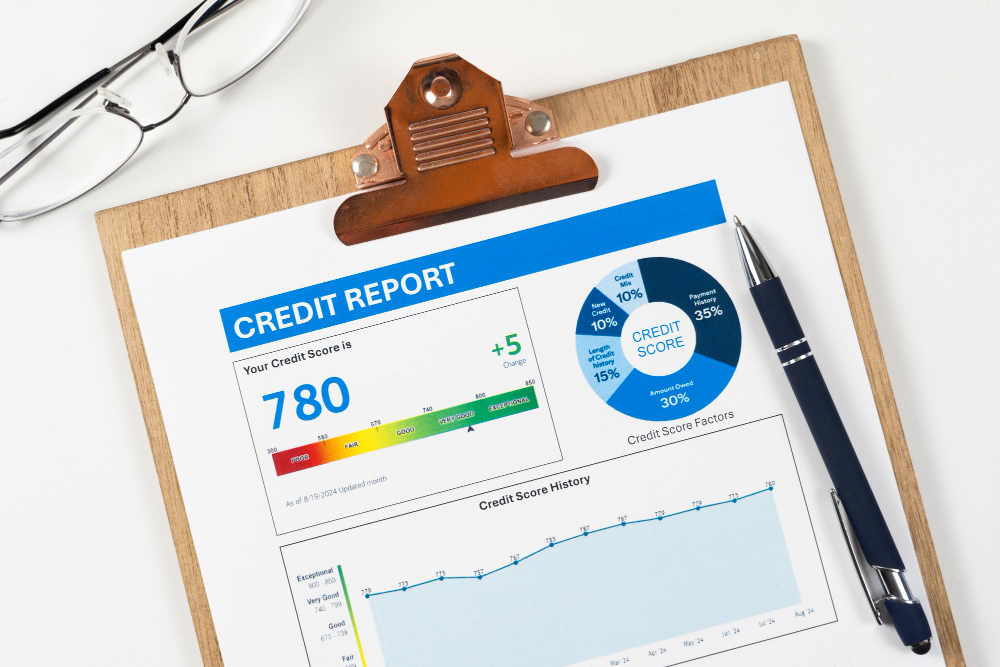
Before getting into the specifics, it helps to understand how credit scores are calculated. Your score is built on five core factors:
- Payment history (35%): The biggest factor of all
- Credit utilization (30%): How much of your available credit are you using
- Length of credit history (15%): How long your accounts have been open
- Credit mix (10%): The variety of credit types you hold
- New credit inquiries (10%): How recently you applied for new credit
Debt consolidation can affect all five of these categories. Some of those effects work in your favor, whereas others create temporary drag. Knowing which is which helps you plan accordingly.
The Short-Term Dip
When you apply for a new credit product, such as a consolidation loan or a balance transfer credit card, the lender reviews your credit report. This helps them decide if you qualify and what interest rate or terms they can offer you. This is called a hard inquiry, and it will temporarily knock a few points off your score.
Opening a new account also lowers the average age of your credit history, which can have a modest negative impact. If you move your debt to a balance transfer credit card, the balance on that card may be close to its limit at first. This high credit utilization can lower your credit score in the short term until you begin paying the balance down.
Court-supervised Wisconsin consolidation programs, however, do not involve applying for a new loan or opening a new credit account, so they typically avoid these types of short-term credit score drops.
None of this is a disaster on its own. It becomes a real concern if you submit several credit applications within a short time, which can signal risk to lenders. Problems can also grow if you open new credit accounts and then miss payments or fall behind, since payment history has a strong impact on your credit score.
The Long-Term Gain
If consolidation works the way it is supposed to, it can meaningfully improve your credit over time. Here is why:
Combining multiple debts into one payment makes it easier to stay on top of your obligations. A consistent record of on-time payments is the single most important factor in your credit score. The longer you maintain it, the more your score climbs.
Consolidation can also lower your overall credit utilization. If you pay off several credit cards through a structured court-supervised repayment plan instead of a new consolidation loan, the balances on those cards drop to zero. Lower utilization is directly tied to a better score. Keeping your utilization below 30 percent is the general benchmark most credit experts cite.
However, it is important to understand that creditors may choose to close accounts once a Chapter 128 plan is filed. In some cases, debtors may also decide to close the accounts themselves because they no longer need to rely on them. Closed accounts can affect your credit score, at least temporarily, especially if they reduce your available credit.
Because Wisconsin consolidation through Chapter 128 does not create a new credit account, it supports long-term repayment progress without adding new borrowing to your credit profile.
Debt consolidation is not inherently good or bad for your credit. Its impact depends heavily on which method you use and what you do afterward.
The Different Methods and How They Each Land
The consolidation method you choose directs both the short-term disruption and the long-term outcome for your credit.
Balance Transfer Cards
A balance transfer card lets you transfer existing credit card debt to a new card, often with a 0% introductory interest rate that lasts up to 21 months. This can be a useful tool if you have good to excellent credit and the discipline to pay down the balance before the promotional rate expires.
The credit impact involves a hard inquiry at application, a potential dip in average account age, and a possible spike in utilization on the new card. If you stay on top of payments and clear the balance before the rate resets, the long-term outcome can be positive.
The main risk is falling into temptation. After paying off your old credit cards, using them again can quickly bring you back to the same debt situation. The difference now is that you also still have the balance on your transfer card to manage, which can make staying on track even harder.
Debt Consolidation Loans
A personal loan used to consolidate debt gives you a fixed repayment schedule with a set end date. You know exactly when you will be debt-free, and the fixed monthly payment makes budgeting more predictable.
Unlike loan-based consolidation, Wisconsin court-supervised consolidation programs combine debts into one payment without requiring a new lender, new interest-bearing balance, or credit approval.
The effect on your credit works in a similar way: first, a hard inquiry and a new account can cause a small, temporary drop in your score. Over time, your credit improves steadily as you make on-time payments and reduce your total debt.
The key is to make sure the loan's interest rate is lower than the average rate across the debts you are paying off. Otherwise, you are reorganizing your debt without saving money, and the math does not work in your favor.
Wisconsin Chapter 128 Debt Consolidation
This one is worth a separate conversation, because it is unlike anything available outside of Wisconsin. Wisconsin Chapter 128 is a court-supervised debt consolidation proceeding. It lets Wisconsin residents consolidate unsecured debts into a single, often 0% interest payment plan over 36 months, with no credit check required.
Because it does not require a new credit application, it does not trigger a hard inquiry. No new accounts are being opened in the traditional sense. The process is court-ordered and legally protected, which means creditors are bound by it once it is filed.
Chapter 128 usually has a far less negative impact on your credit than other options like debt settlement or bankruptcy. That’s because you are still paying off all your debts in full, just on a set schedule, and without any interest. It becomes easier to manage your finances responsibly.
Home Equity and Retirement Funds
Some people consider tapping their home equity or borrowing from a 401(k) to pay off debt. Both carry significant risks that go well beyond credit score considerations.
Using home equity converts unsecured debt into secured debt. If something goes wrong and you cannot make payments, you can damage your credit and could even lose your home. Meanwhile, a 401(k) loan removes money from your retirement fund at a cost that is difficult to fully recover from, especially if you leave your job and the loan comes due immediately.
These are options worth knowing about, but they are generally considered last resorts for good reason.
What About Debt Settlement: Is It the Same Thing?
Debt consolidation and debt settlement are not the same thing, even though some national companies use the terms interchangeably in their marketing.
Debt consolidation lets you pay off your existing debts, usually under better terms than before. This often includes lower or even zero interest, which can make it easier to manage your payments and reduce your overall debt faster. Debt settlement means you negotiate with creditors to pay less than you owe, and the difference is written off.
Settlement sounds appealing on paper. Paying 50 cents on the dollar sounds like a win. The reality has many layers that tend to get glossed over in the pitch.
To get creditors to settle, you typically have to be severely delinquent, meaning months behind on payments. Those missed payments are reported to the credit bureaus and can damage your score. Once you reach that level of delinquency, creditors often file lawsuits to recover the full amount through a judgment. A judgment opens the door to wage garnishment and bank levies.
The national settlement companies (Freedom Debt Relief, National Debt Relief, Beyond Finance, and others like them) are not law firms. When a lawsuit is filed, they cannot represent you in court. Some of them will point you toward legal help, but you are on your own to find and pay for it. At the same time, companies that offer debt settlement usually charge fees of about 25% of your total enrolled debt. This can eat up a large part of the savings you expected to gain, making the plan less helpful than it first appears.
When you factor in years of damage to your credit, the interest that accrues while payments are missed, the risk of lawsuits, and the possibility of creditors issuing a 1099 for forgiven debt that may create additional income tax obligations, the situation can become much more costly. On top of that, future loans and credit will likely come with higher interest rates. All of these factors together can make the initial “savings” from a debt settlement or missed payments much smaller than they first seem.
In many cases, people who go through debt settlement programs end up in a worse financial position than if they had pursued court-supervised Wisconsin consolidation from the start instead of settlement-based programs.
Does Debt Consolidation Affect Credit Differently Than Bankruptcy?
Bankruptcy is a legal process that discharges certain types of debt. However, it comes with long-lasting consequences for your credit.
A Chapter 7 bankruptcy stays on your credit report for ten years; a Chapter 13 lasts for seven. During that time, access to credit is heavily restricted, and any financing you do qualify for comes at much higher interest rates.
Bankruptcy is sometimes the right option, particularly when debt has become completely unmanageable, and no other path exists. We do not dismiss it as a tool. Yet, it is rarely the first answer for Wisconsin residents who still have income and the ability to make regular payments.
The reason Chapter 128 appeals to so many of our clients is that it sits in a very different category. With this approach, you pay off your debt in full through a court-supervised process. It protects your credit from the damage caused by bankruptcy and shields you from the lawsuit risks that can come with debt settlement. It is not widely known outside of Wisconsin because no other state has anything like it.
How to Protect Your Credit During the Consolidation Process
Regardless of which path you take, there are practical steps that help protect your score during the process:
- Stay current on all payments until your plan is in place. New missed payments reported during a transition period add unnecessary damage.
- Closing credit cards after consolidation can raise your utilization ratio and shorten your average account age. Keep them open and leave the balances near zero.
- Adding new accounts during a repayment period creates more hard inquiries and temptation. Stay focused on what you have.
- Make sure paid-off accounts are reflected accurately and that no errors are dragging your score down.
- Payment history is the largest component of your credit score. Consistent, on-time payments are the fastest legal way to rebuild your credit score.
It is also worth mentioning that your credit score is not the only measure of financial health. Paying off high-interest debt, even if it causes a short-term drop in your credit score, puts you in a much stronger financial position. It’s better than staying stuck making minimum payments that barely reduce your principal and keep you trapped in debt.
Making the Right Call for Your Credit and Your Future
Does debt consolidation affect your credit? Yes. How much, and in which direction, depends on the method, the timing, and what you do next.
The good news is that for Wisconsin residents, there are options available here that do not exist anywhere else in the country. We have spent more than 25 years helping people find the suitable path based on their actual situation through court-supervised Wisconsin consolidation programs that do not require taking out a new loan. If you are ready to get a better view of your options, schedule your free consultation with The Fields Group today.
Latest Blog Articles
- Tuesday, September 15, 2026

- Thursday, September 10, 2026

- Saturday, September 5, 2026

- Thursday, May 21, 2026
- Thursday, May 21, 2026

Ready to Transform Your Financial Future? Start Your Journey to A Debt-Free Life Today!
If you're a Wisconsin resident or business owner, we can provide you with a clear path forward. Take the first step toward a debt-free future by scheduling your consultation today.
Get a Free Consultation!
No office visit is required, and there's no pressure or obligation to move forward!

414-763-3200