
Does Debt Consolidation Hurt Your Credit? Debunking Common Myths
Does Debt Consolidation Hurt Your Credit? Debunking Common Myths
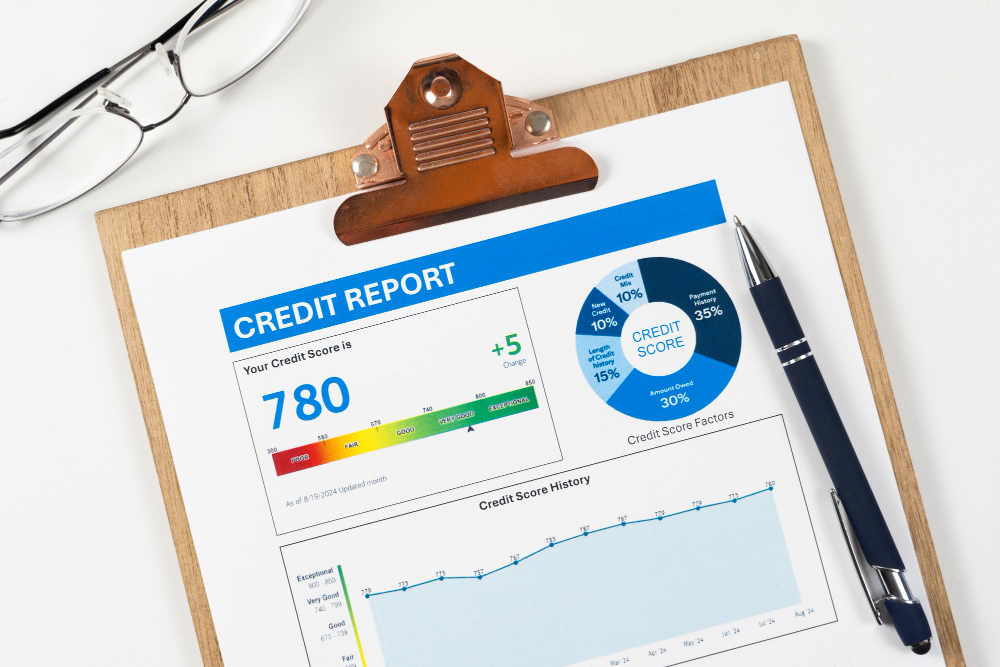
Debt consolidation is often blamed for credit damage that it does not typically cause. Much of this concern comes from confusing debt consolidation with debt settlement or bankruptcy. The Fields Group Law Firm structures Wisconsin plans to help clients pay down what they owe without the setbacks people often assume will come with consolidation.
If you've searched debt consolidation credit card questions online, you've probably encountered conflicting answers. Some sites claim consolidation will damage your credit score for years. Others suggest it can fix everything almost overnight.
Neither view tells the full story. At The Fields Group Law Firm, we spend significant time helping Wisconsin clients understand what can actually happen to their credit after they enroll in a plan.
Myth 1: Debt Consolidation Automatically Lowers Your Score
This is one of the most common concerns we hear at The Fields Group Law Firm, and it largely comes from a misunderstanding of how credit scoring works. Enrolling in debt consolidation does not automatically trigger a credit score drop.
What actually affects your score is how your existing accounts are reported after they become part of a structured plan.
When our clients enroll in a Wisconsin court-approved plan, individual accounts are often reported as being paid through a consolidation program rather than remaining delinquent or being charged off. That distinction can make a significant difference.
A delinquent account that continues moving toward collections can cause more lasting credit damage than an account being paid down through a plan our firm has filed with the court.
Myth 2: Debt Consolidation Is The Same As Debt Settlement
People often group every debt relief option together, and that confusion is responsible for many of the myths surrounding credit damage.
Debt settlement involves negotiating with creditors to pay less than the amount owed. Creditors may report those accounts as settled for less than the full balance, which can have a considerable effect on a credit score. The Fields Group Law Firm does not offer that type of program.
Instead, we build a structured repayment plan through Wisconsin's legal system. Clients pay the full balance they owe, with the debt restructured into one manageable monthly payment at 0% interest.
The credit score effects of debt consolidation are fundamentally different from settlement because nothing is negotiated down or written off. Creditors are still being paid, but under new terms established through the plan.
Myth 3: You'll Never Qualify For Credit Again
This claim comes up frequently, but it does not accurately describe how plans through The Fields Group Law Firm work. During an active plan, some clients choose to avoid opening new credit lines because their monthly budget is focused on paying down the debt they already have.
That's a personal financial decision, not a requirement.
Once a plan concludes and the debt is resolved, clients can rebuild their credit much like anyone else. That process typically involves making payments on time, using available credit responsibly, and giving the accounts time to establish a positive history.
Because our plans do not require a credit check for enrollment, having a low score at the beginning of the process does not prevent someone from seeking help. It also does not determine what their credit can look like after the plan ends.
Myth 4: Bankruptcy Is Always The Safer Choice For Your Credit
Bankruptcy carries its own long-term consequences for a credit report and may remain on file for seven to ten years, depending on the chapter filed. A structured consolidation plan through The Fields Group Law Firm is designed as an alternative to that outcome.
Wisconsin's Chapter 128 process gives residents a way to pay off debt over time under court protection without the long-term bankruptcy record.
Looking at the various paths for debt relief side by side can change how the decision looks.
Clients who come to our office assuming bankruptcy is their only option are often surprised to learn that a court-approved plan can stop garnishment, halt bank levies, and get lawsuits dismissed without placing a bankruptcy filing on their record.
Myth 5: Interest Charges Keep Piling Up During The Plan
Some people avoid consolidation because they assume interest will continue accumulating while they make payments, leaving them feeling as though the balance will never decrease. That is not how plans through The Fields Group Law Firm work.
Once a client is enrolled, interest on their individual accounts can stop immediately. From that point forward, each payment goes toward the actual balance owed instead of continuing to accumulate interest charges that make the debt harder to reduce.
What Actually Happens To Your Credit With The Fields Group Law Firm
Every client's financial starting point is different, so the short-term credit impact can vary. Someone with several accounts already in collections may see a different pattern than someone who enrolled before falling behind on payments.
What remains consistent across the plans our firm files is the direction things can take once a client's debt is being paid down through a court-approved structure rather than continuing deeper into default.
The debt consolidation credit card discussion often focuses only on the short-term change that some credit models may show when accounts change status.
What that discussion can leave out is the alternative: continued missed payments, growing collection accounts, garnishment, and credit damage caused by those developments. In many cases, those consequences can be more severe and longer lasting than the credit effects associated with a structured plan.
Why Wisconsin Residents Trust The Fields Group Law Firm With This Decision
We built The Fields Group Law Firm around a straightforward idea: Wisconsin residents deserve a path out of debt that does not leave them worse off than when they started.
Every plan we file uses Wisconsin's own laws to stop garnishment, halt bank levies, and get lawsuits dismissed while keeping the client's monthly payment at an amount they can realistically manage. We do not guess at what may work. We review each client's specific accounts, creditors, and budget before recommending a course of action.
The risk of doing nothing is often greater than the risk of enrolling in a structured plan. Unpaid accounts do not remain unchanged. They can progress toward collections, lawsuits, and judgments that cost far more over time than a plan designed to address the debt before the situation escalates.
That is the calculation our team reviews with every Wisconsin resident who contacts The Fields Group Law Firm. It is also why many clients choose to move forward after seeing the full financial picture.
If you have questions about The Fields Group Law Firm or how a debt consolidation plan could affect your credit, please touch base with us and we'll review your specific situation.
FAQs
How long does a Wisconsin consolidation plan typically take to resolve?
Timelines depend on the total amount of debt and the monthly budget involved, but plans filed by The Fields Group Law Firm must be completed within three years.
Do all creditors have to participate once a plan is filed?
Because the plan is filed through Wisconsin's court system, creditors are notified and typically required to comply once the plan is approved. This differs from voluntary negotiation programs.
Can I still use credit cards while enrolled in a plan?
Most clients focus their monthly budget on paying down existing balances during the plan rather than opening new lines of credit. However, this is a personal budgeting choice rather than a requirement. It is important to note that many creditors will close your account in a scenario such as this, though you can continue to use other cards that aren’t involved in this plan.
Latest Blog Articles
- Tuesday, September 15, 2026

- Thursday, September 10, 2026

- Saturday, September 5, 2026

- Thursday, May 21, 2026

- Thursday, May 21, 2026

Ready to Transform Your Financial Future? Start Your Journey to A Debt-Free Life Today!
If you're a Wisconsin resident or business owner, we can provide you with a clear path forward. Take the first step toward a debt-free future by scheduling your consultation today.
Get a Free Consultation!
No office visit is required, and there's no pressure or obligation to move forward!

414-763-3200